Scoped Authorization Proofs Are Not Credentials
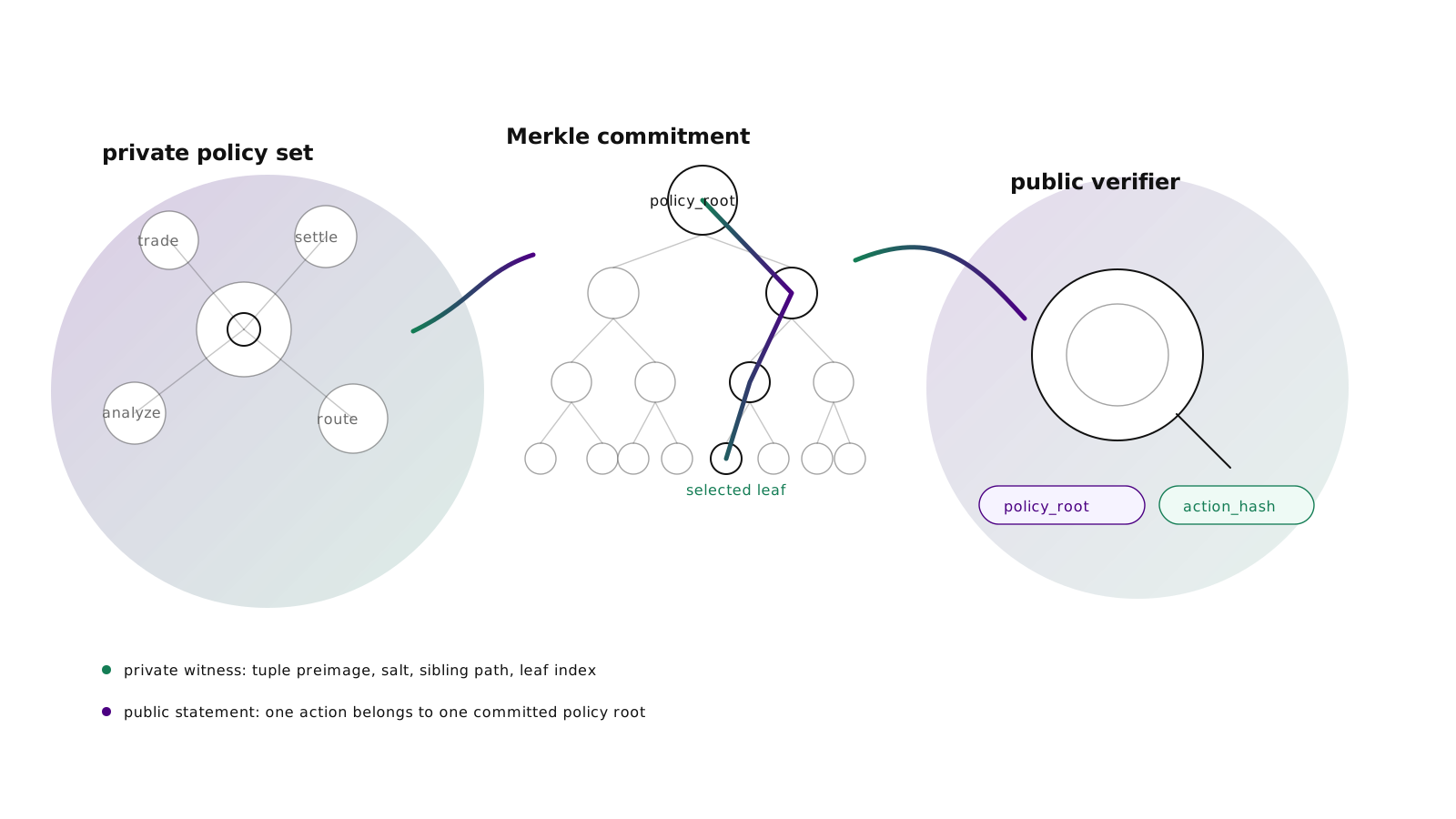
Scoped Authorization Proofs keep permission checks narrow by proving one action against one committed policy root instead of exposing an agent's capability graph.
May 8, 20264 min

Short notes on crypto x AI systems, market structure, and product constraints that matter in practice.
Scoped Authorization Proofs keep permission checks narrow by proving one action against one committed policy root instead of exposing an agent's capability graph.
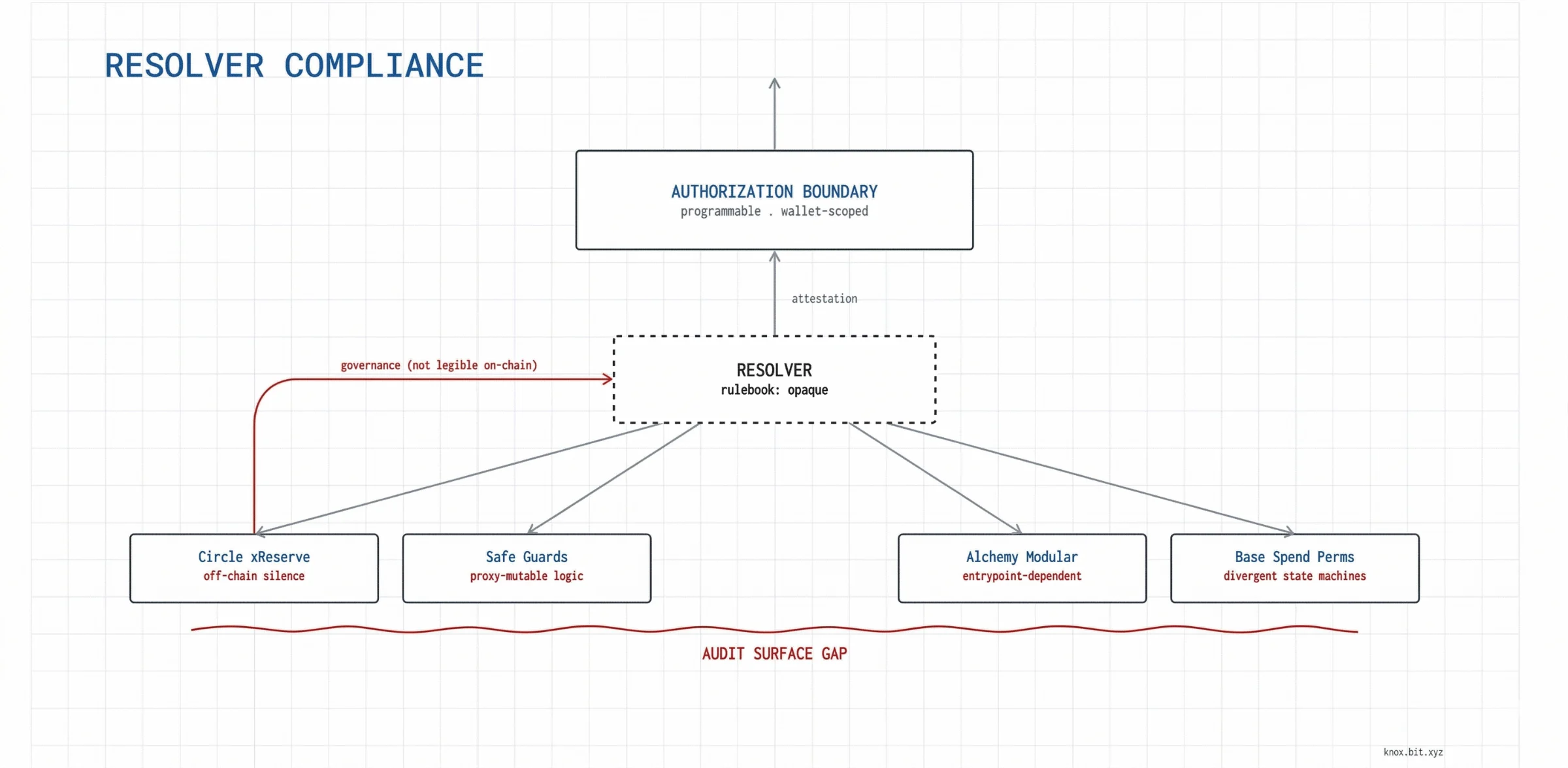
cross Circle xReserve, Safe Guards, Alchemy Modular Account, and Base Spend Permissions, the enforcement surface changes, but the audit problem survives.
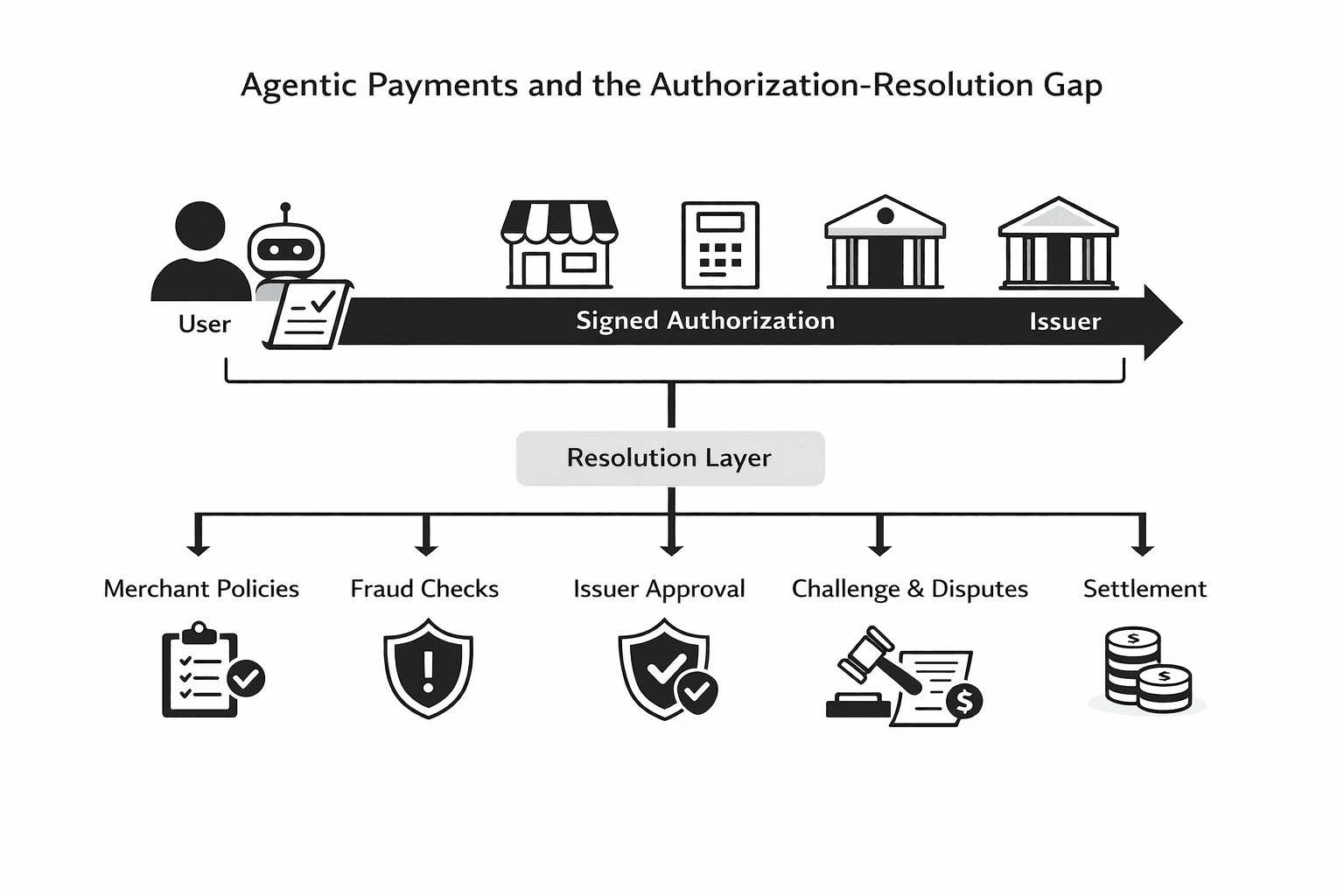
Authorization is starting to standardize in agentic payments, but resolution stays fragmented across merchant policy, fraud checks, issuer approval, challenge flows, and settlement.
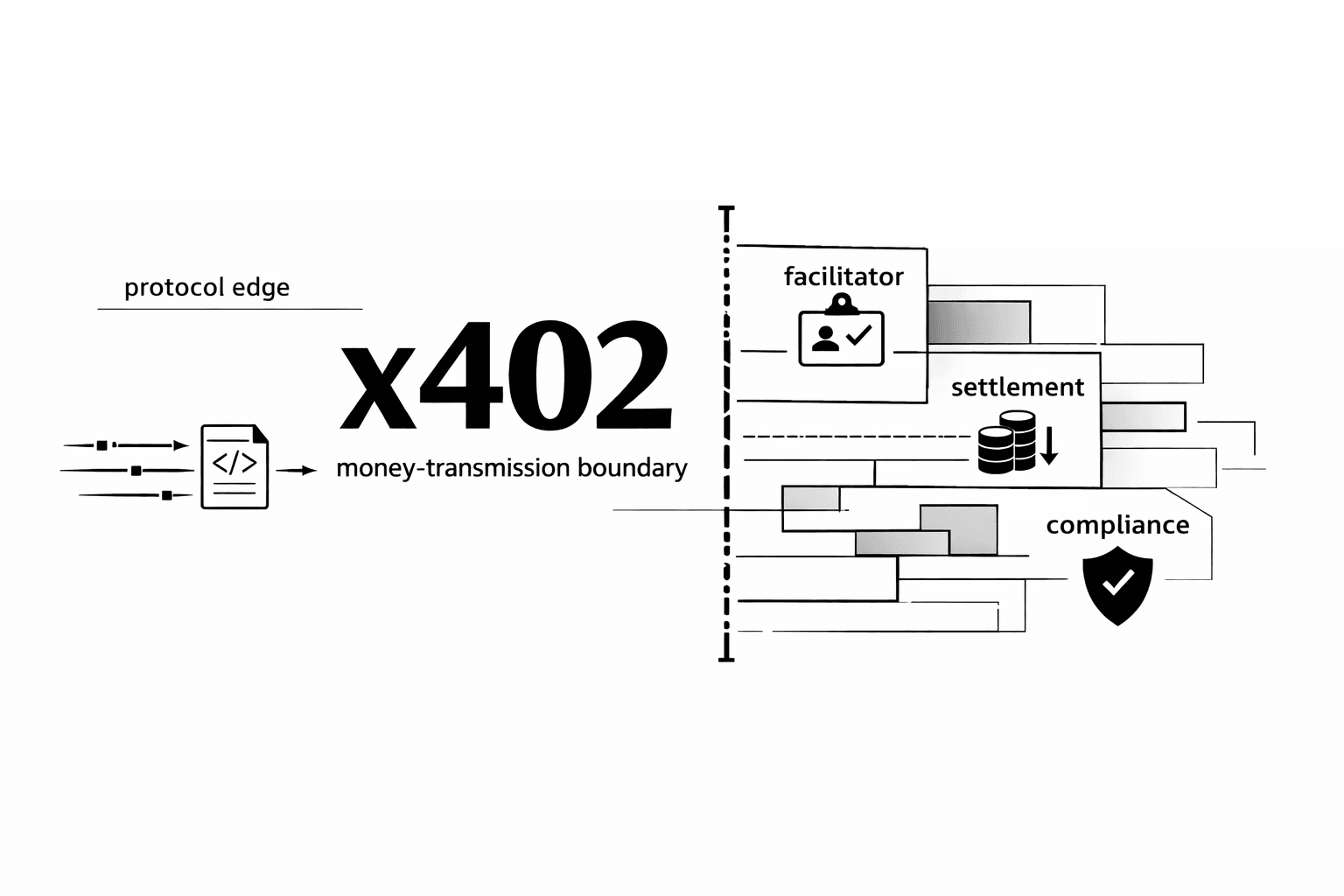
x402 looks thin at the protocol edge, but the facilitator role sits close to the point where signed authority becomes executable transfer, which is where money-transmission questions begin to matter.

Google did not discover a new way to break elliptic-curve cryptography. The algorithm is unchanged. What changed is the price. The operational cost to execute a discrete logarithm attack on ECDLP-256 dropped by roughly 20x in physical-qubit requirements, and that single repricing is enough to move the security horizon for every system that ever trusted a secp256k1 signature.
A mandate does not dissolve trust. It relocates it across credential providers, registries, issuers, and challenge systems, each holding a different slice of the acceptance decision.
For inference, SNARKs and STARKs sit on different parts of the verifier path. SNARKs usually win where proof size and verification cost are tight. STARKs usually win where the proving core needs transparency and room to scale. What keeps showing up in production is a hybrid path (STARK-style proving, SNARK-style settlement compression)